The energy layer.
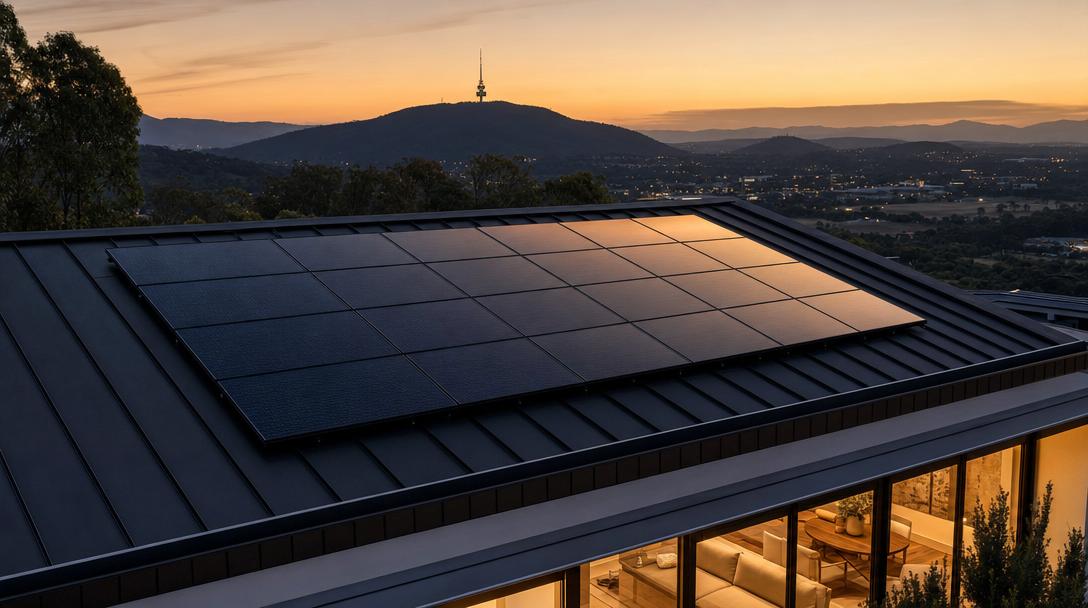
Design-integrated solar and storage, placed with the same care as the lighting plan — and sized honestly around how your home actually uses power, so it pays back instead of just looking the part.
Watch your home run on sunlight
Daytime — the sun runs your home, tops up the battery, and the surplus is sold back to the grid.
Make.
Design-integrated panels turn your roof into the home's power station.
Use.
Run the house — including hot water, climate and the car — off your own sun.
Save.
Shift load off peak tariffs and stop buying power you could have made.
Sell.
Export your surplus back to the grid for a feed-in credit on the bill.
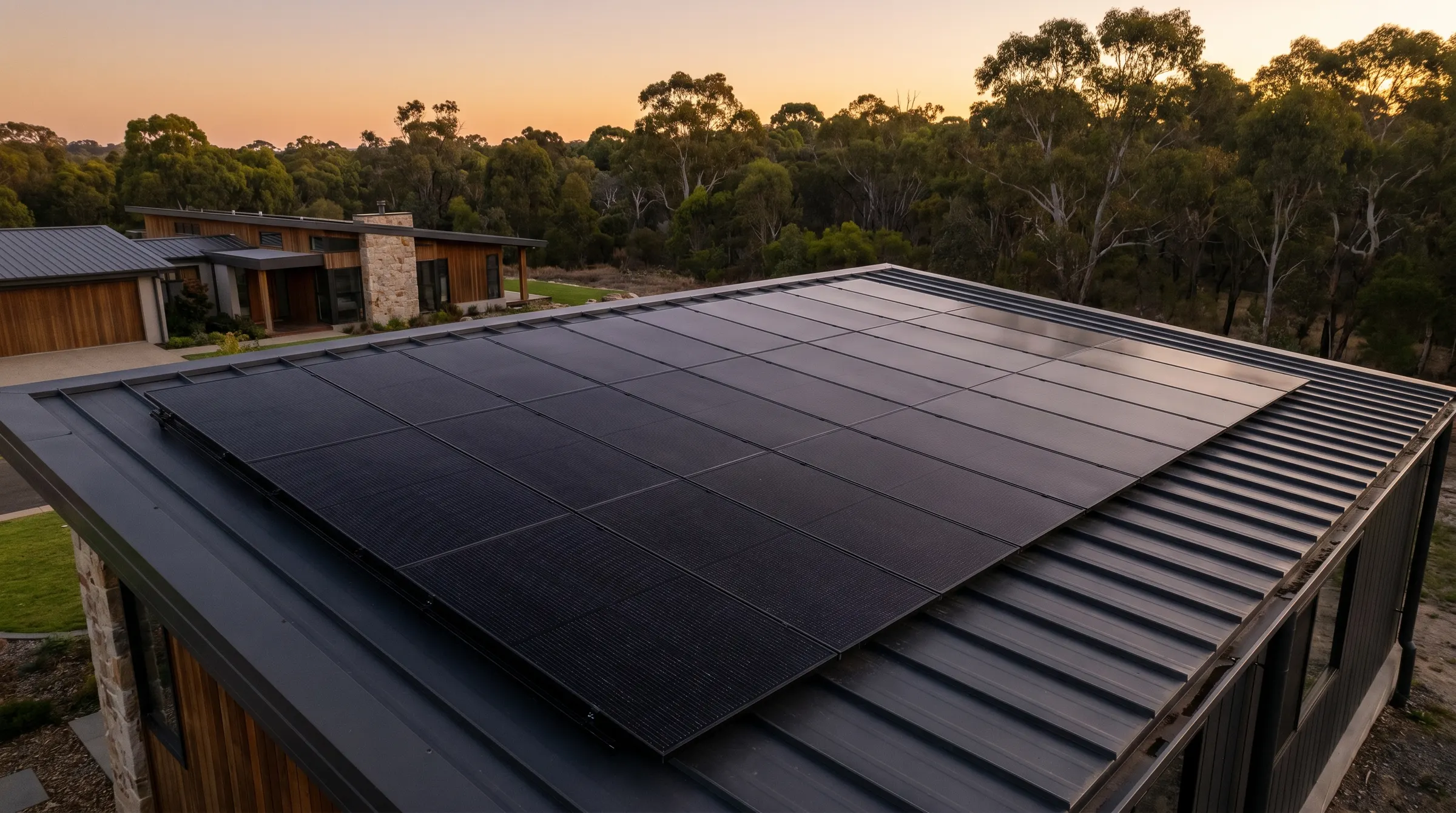
An array that belongs to the architecture.
More solar, the smarter dollar
For most Canberra homes, a bigger array almost always beats adding a battery — so we oversize to the CEC maximum and make your roof do as much work as it can. The payback stays strong even as the system grows.
| 10 kW | 13 kW | 20 kWWHERE WE LEAN | |
|---|---|---|---|
| Daily output | 34–44 kWh | 44–55 kWh | 70–85 kWh |
| Suits | 4–5 people | 5+ / large home | EV / pool / electrified |
| Annual saving | ~$1,560 | ~$1,820 | ~$2,450 |
| Payback | ~5.5 yrs | ~6.3 yrs | ~7 yrs |
| Bill offset | 80–95% | 90%+ | to ~$0 * |
* Run the dishwasher, washing and AC on solar timers and a 20 kW system can take a typical bill close to zero. Indicative ranges for Canberra homes (2026); your exact figures come from a site-specific assessment of your roof, usage and tariff.
Using your own power beats selling it
In the ACT, feed-in tariffs are voluntary and unregulated — exporting pays little. Every kWh you use yourself instead is worth about 25 cents. That’s why we design around using your own sun, not selling it.
More panels, not more battery
Most solar is sold by the kilowatt. We run the economics honestly — and for most Canberra homes, the bar that matters looks like this:
Bigger solar array
~4–7 yrsStrong economics — the panels typically pay for themselves well inside their life. For most homes, this is the better next dollar.
Adding a battery
~12–25 yrsA battery earns its place for evening-heavy use or blackout backup — but on payback alone, the incremental case is long. We'll tell you the truth before you spend.
A battery is a lifestyle and backup choice — not usually a payback choice. We’ll show you your real numbers either way.
ACT & federal incentives
Federal
Upfront discount on a 6.6 kW system
≈ $3,000 on a 10 kWh battery — rate steps down each year
ACT
Low-interest loan (3%, 10 yrs) — batteries, AC, EV, heat pumps
Solar loan for eligible concession-card holders
Indicative and current as of 2026 — incentives change and some step down over time. We confirm exactly what applies to your build as part of the quote, and we’re happy to handle the Sustainable Household Scheme paperwork for you.
Most solar is an eyesore bolted to a beautiful home. We design it to disappear.
Flush black-on-black panels, hidden conduit, the battery mounted like it belongs. The same care as the lighting plan — because the array is part of the architecture, not an add-on to it.
Good to know.
For most homes, yes — Canberra gets strong sun and solar typically pays for itself in a handful of years, well inside the life of the panels. The exact payback depends on your roof, your usage and your system size.
One Partner — Five Layers
 01
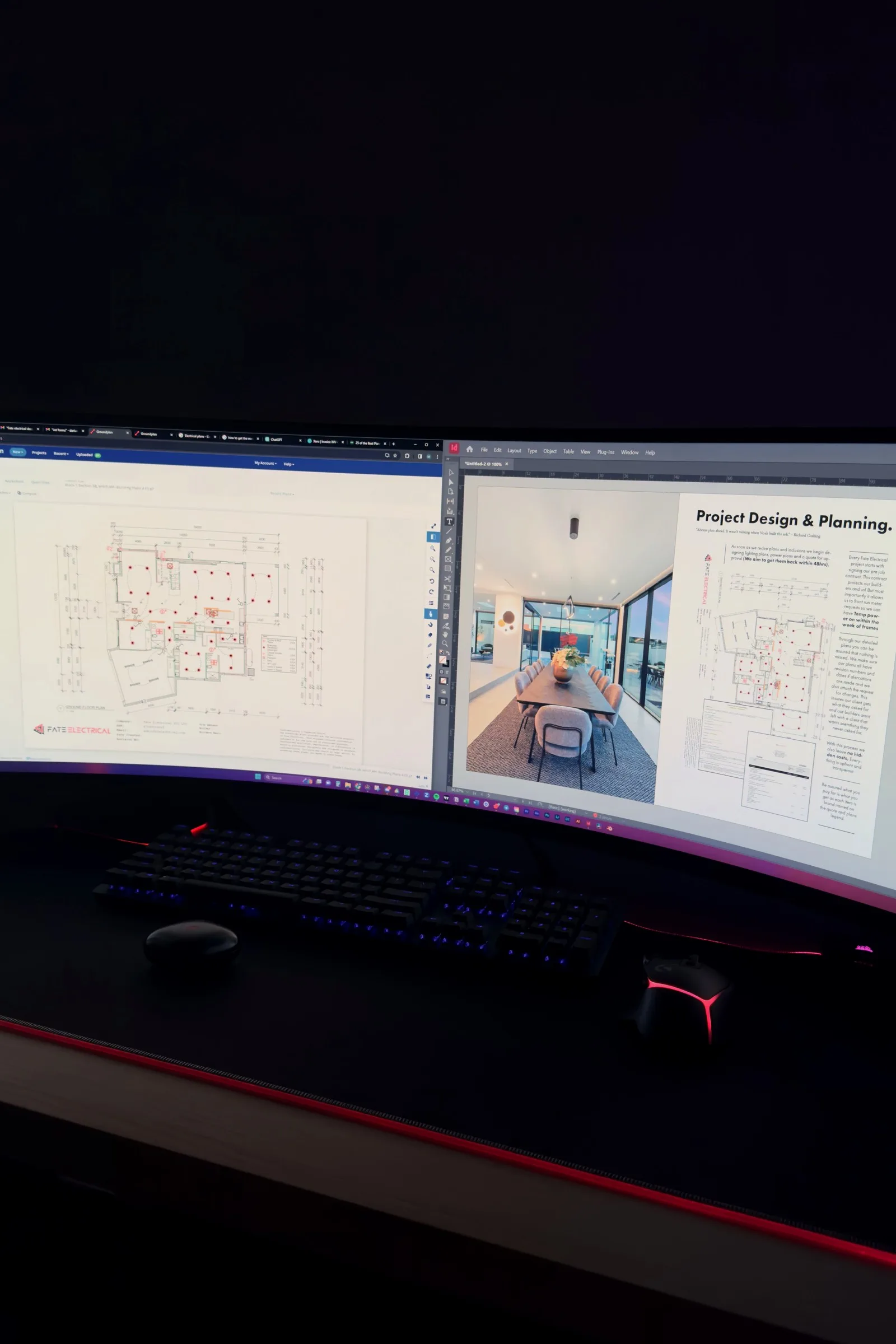
01Design.
Designed before it's wired.
Every circuit, switch and lighting scene mapped in 3D with your architect before rough-in.
Explore Design 02
02Electrical.
The backbone of the build.
Premium new-build electrical, rough-in to fit-off, all in-house — why Canberra's builders keep us on every job.
Explore Electrical03Solar.
The energy layer.
Design-integrated solar and storage, placed with the same care as the lighting plan.
Explore Solar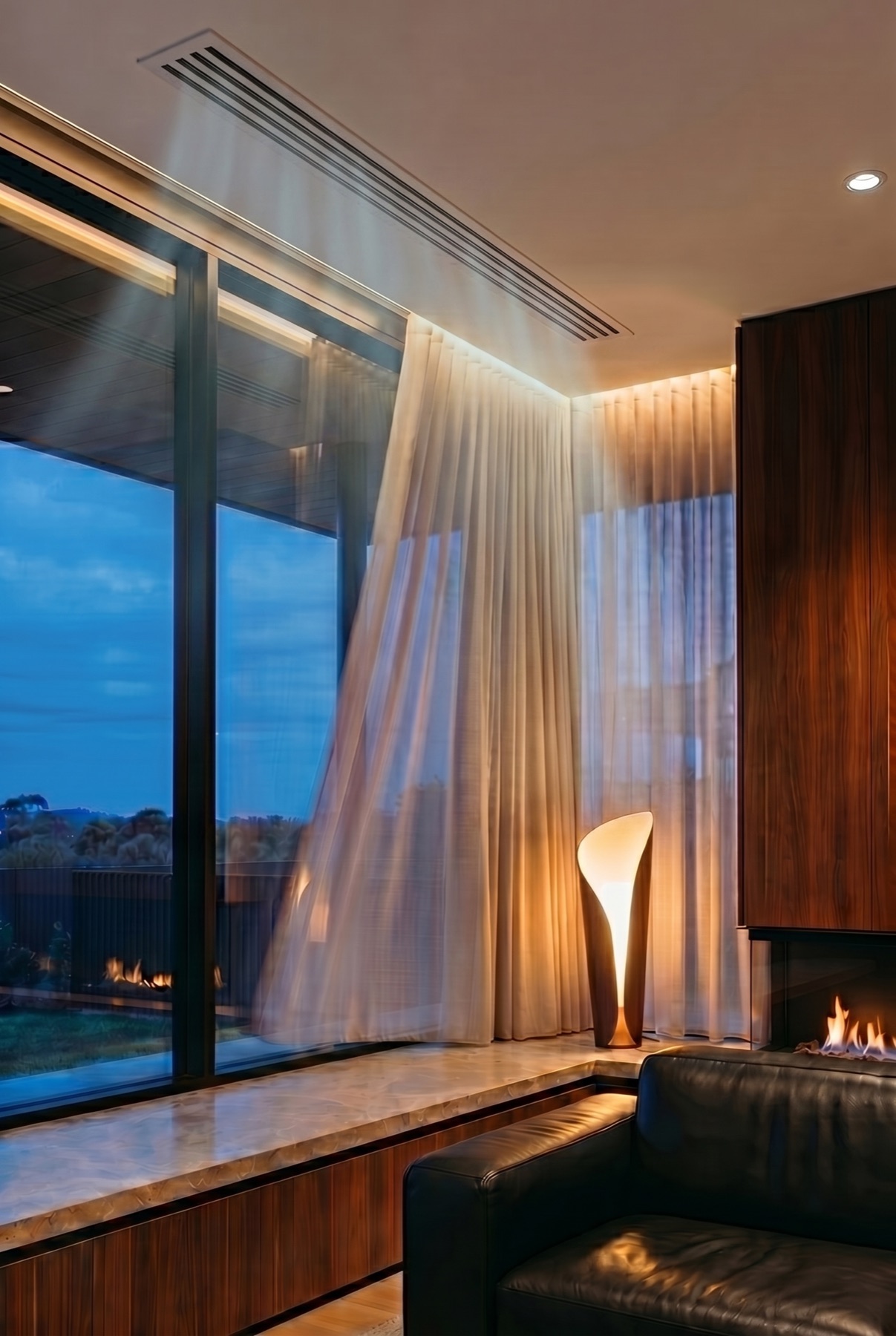 04
04Air Conditioning.
Climate, planned — not bolted on.
Ducted and zoned systems designed around the floorplan while we're already wiring the home.
Explore Air Conditioning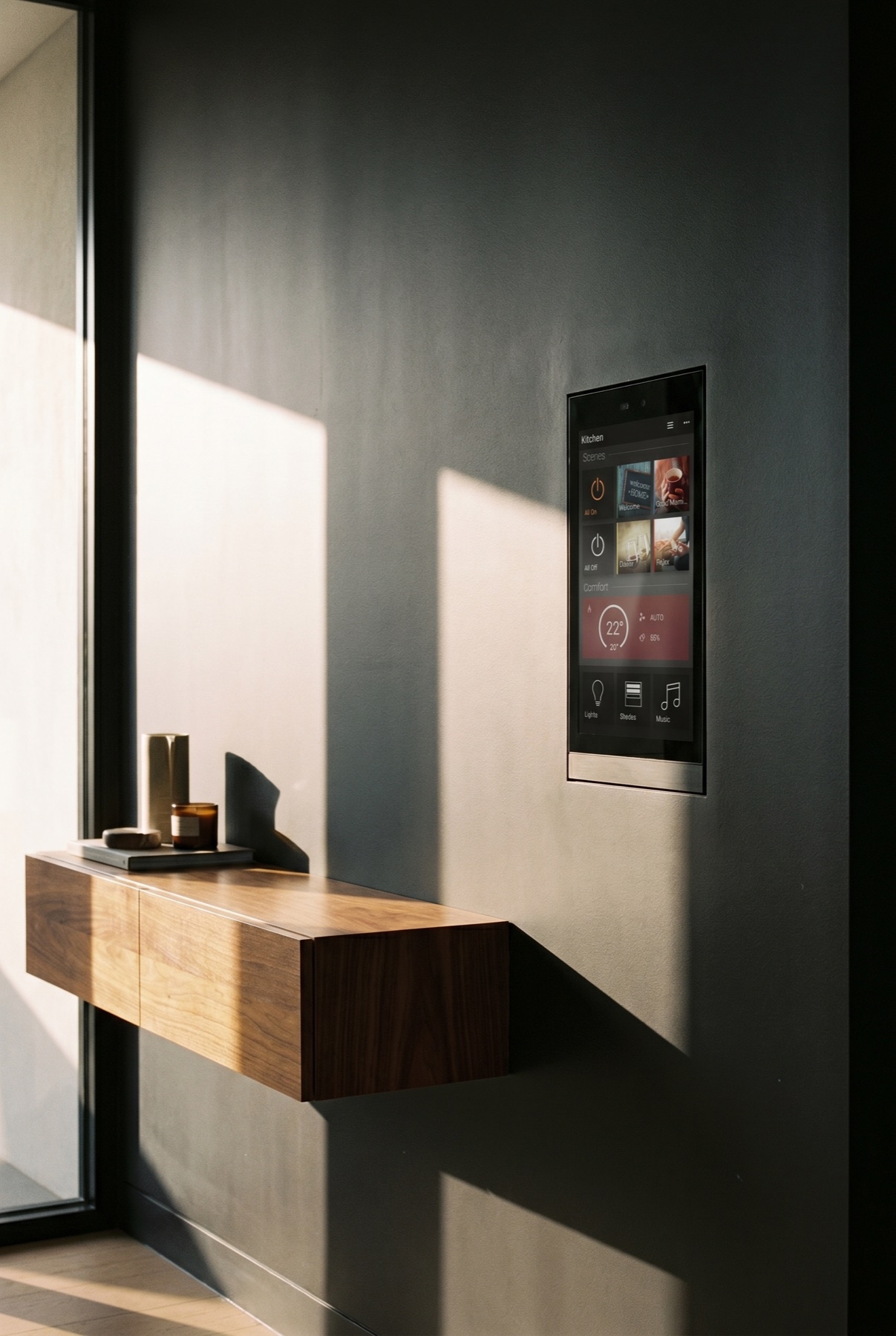 05
05Smart Home.
Every layer, in sync.
Lighting, climate, security and energy unified into one system that just works.
Explore Smart Home